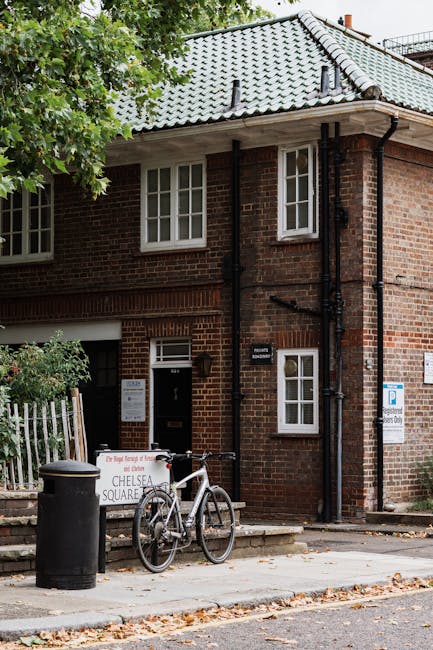
Rubbish clearance near Sloane Square station Chelsea: a practical local guide
If you are dealing with bags, broken furniture, renovation debris, or an awkward pile of mixed waste, rubbish clearance near Sloane Square station Chelsea can save a lot of time and hassle. In a busy part of London, the challenge is rarely just the rubbish itself. It is the stairs, the parking, the access, the timing, and the need to get everything out without turning a normal day into a logistical headache.
That is why a well-planned clearance service matters. It helps you clear space quickly, keep things tidy, and avoid the stress that comes with trying to move bulky items through a flat, office, or mews property on your own. Below, you will find a clear, no-nonsense guide to how rubbish clearance works, who it helps, what to watch out for, and how to choose the right approach for your situation.
To make this easier to scan, here is a simple guide to the sections below.
- Why local rubbish clearance matters in Chelsea
- How the service works
- Benefits and practical advantages
- Who needs it and when it makes sense
- Step-by-step guidance
- Expert tips for better results
- Common mistakes to avoid
- Tools, resources and recommendations
- Law, compliance and best practice
- Options and comparison table
- Real-world example
- Practical checklist
- Conclusion
- Frequently asked questions
Why Rubbish clearance near Sloane Square station Chelsea Matters
Sloane Square sits in one of the more active, tightly managed parts of Chelsea, and that changes the way rubbish removal needs to be handled. Narrow access, controlled streets, mixed residential and commercial buildings, and frequent foot traffic can make even a small clearance more complicated than it first appears. A pile of waste that would be simple to shift in a suburban driveway can become awkward very quickly here.
There is also the issue of time. In a place where people are commuting, shopping, working, or meeting clients, nobody wants bags of rubbish left on the pavement any longer than necessary. A good clearance helps reduce mess, minimise disruption, and keep your property looking presentable. That matters whether you are moving out of a flat, refreshing an office, or dealing with leftover builders' debris after a renovation.
In our experience, people often search for local rubbish clearance only after the pile has started to feel bigger than the room it came from. Fair enough. Life gets busy. But local service is not just about speed; it is about handling access, lifting, sorting, loading, and disposal in a way that fits the area. Around Sloane Square, that local awareness really counts.
Key takeaway: rubbish clearance in this part of Chelsea is as much about managing access and timing as it is about moving waste. The smoother the process, the less the disruption to your day.
How Rubbish clearance near Sloane Square station Chelsea Works
The basic process is straightforward, but the details matter. Most rubbish clearance jobs follow a simple sequence: identify the waste, get a quote, arrange access, remove the items, and dispose of them responsibly. The difference between a smooth job and a stressful one usually comes down to preparation.
First, the team will want to know what needs clearing. Is it general household waste, old furniture, office clutter, builders' rubble, or a mix of different items? Photos help because they show volume, access, and any heavy or awkward pieces. If you have a basement flat, a top-floor walk-up, or restricted parking nearby, say so early. It saves everyone time, and it avoids surprises on the day.
Then comes scheduling. In a busy area, timing can be critical. Early mornings, quieter periods, or tighter collection windows often make sense. If the clearance involves a commercial property or a shared building, it can also help to coordinate with neighbours, building managers, or staff. Nobody likes a trolley bumping across a corridor at the wrong moment. Well, maybe the trolley does not care, but people certainly do.
On the day, the team usually loads everything safely, sorts items where possible, and takes the waste to the appropriate facility. Reusable and recyclable materials should be separated whenever practical. Larger items may need dismantling, and some waste types need special handling. If you want a broader view of what the service covers, the main waste removal page is a useful starting point, while specialist jobs such as builders waste clearance and office clearance are often better suited to specific property types.
For customers who want to understand pricing before booking, it is sensible to review the provider's pricing and quotes approach and, if needed, move straight to book online once you are happy with the plan.
Key Benefits and Practical Advantages
Local rubbish clearance offers more than a clean room. It can make a property safer, easier to use, and far less stressful to manage. That sounds obvious, but you notice it immediately when the clutter is gone. The room feels different. You can move properly. You can breathe a bit easier.
- Fast space recovery: useful when you need a room cleared before a move, sale, handover, or refurbishment.
- Less physical strain: no wrestling with sofas, fridges, or heavy sacks down the stairs.
- Cleaner presentation: important for landlords, tenants, business owners, and homeowners alike.
- Better sorting and disposal: helpful where materials need separating for reuse, recycling, or specialist handling.
- Reduced disruption: a team can often clear waste more quickly than a DIY attempt, which matters in a busy Chelsea location.
There is also a subtle but real advantage to using a service that understands the local rhythm of the area. Sloane Square is not the sort of place where you want to overstay your welcome with piles of waste outside for hours on end. A compact, efficient clearance can make the difference between a job that feels tidy and one that feels messy before it even starts.
If your clearance includes old sofas, wardrobes, or bulky chairs, it can also help to use dedicated services such as furniture clearance or mattress and sofa disposal. If there are appliance items involved, look at fridge and appliance removal as well, because fridges and similar items can require a different handling process.
Who This Is For and When It Makes Sense
Rubbish clearance near Sloane Square station Chelsea is useful for a wide range of people, not just people doing a big clear-out. In fact, the smaller, more awkward jobs are often the ones where professional help makes the most sense.
Homeowners and tenants
If you are moving out, making room for renovation, or just tired of living around boxes and broken bits, a clearance service can reset the space quickly. Flat residents especially benefit because stairs, lifts, and shared entrances can turn a simple task into a mission. If that sounds familiar, a flat clearance or broader home clearance may fit better than trying to do it yourself.
Landlords and letting agents
End-of-tenancy clearances often need to happen fast. Sometimes it is just abandoned furniture, sometimes it is a full mix of items left behind. Either way, the goal is the same: make the property ready for cleaning, inspection, or re-letting without delay. A focused house clearance can be especially useful for larger properties or multi-room jobs.
Businesses and offices
Offices near Sloane Square may need clearance for old desks, chairs, archive boxes, electronics, or fit-out waste. A calm, well-managed collection matters because business premises often need to stay presentable during working hours. For that, office clearance and business waste removal are the obvious fit.
Renovation and building projects
Builders' rubble, timber, plasterboard, packaging, and scrap materials can stack up fast. If you have had work done on a flat, mews house, or commercial unit, a proper clearance can stop the site from feeling chaotic. That is where builders waste clearance becomes genuinely helpful.
People dealing with accumulated clutter
Lofts, garages, spare rooms, and storage areas have a way of filling up quietly over time. One box becomes two, then suddenly you are climbing over old lamps, broken suitcases, and things you forgot you owned. It happens. No judgement. For these situations, loft clearance and garage clearance can be the practical choice.
Step-by-Step Guidance
If you want the process to feel easy, a bit of planning goes a long way. Here is a simple step-by-step approach that works well for most rubbish clearance jobs in Chelsea.
- List everything you need removed. Group items by type if you can: general waste, furniture, appliances, builders' waste, documents, garden debris, and anything hazardous or specialist.
- Take clear photos. Photos help estimate the amount of rubbish and show access issues such as narrow hallways, stairs, or limited loading space.
- Check what needs special handling. Fridges, chemicals, paints, sharps, confidential documents, and some electrical items may not be treated like normal rubbish.
- Ask for a quote and timing. Make sure you understand what is included, when the team can attend, and whether labour, loading, and disposal are all part of the service.
- Prepare the space. Separate items you want to keep, move small valuables out of the way, and make sure the team can reach the waste without unnecessary delays.
- Confirm access details. This is the bit people forget. Entry codes, concierge arrangements, parking restrictions, lift access, and collection points all matter.
- Review the collection after clearance. Check that everything agreed has been removed and that any leftover items are intentional, not missed by mistake.
If the waste includes personal information, consider using confidential shredding rather than placing paperwork in ordinary mixed waste. That one small decision can save a lot of worry later.
And if you are wondering whether your items are suitable for a skip or bagged collection, it can help to compare options with the site's guidance on what can go in a skip. That page is useful for understanding the difference between common waste types and items that need separate handling.
Expert Tips for Better Results
Here are a few practical tips that make a clearance easier, cheaper, and less stressful. They are simple, but they matter.
- Sort before you book if you can. Keeping furniture, rubble, and general rubbish separate can make quoting more accurate.
- Be honest about access. If the property has no lift, tight stairs, or awkward parking, say so upfront. It is better for everyone.
- Bundle similar items together. One pile of bags and one pile of furniture is easier to assess than a mixed spread across three rooms.
- Set aside items you are unsure about. That way nothing gets removed by accident. Surprisingly easy to do when you are in a rush.
- Think about recycling early. Separating recyclable materials can support a cleaner, more efficient clearance.
- Book before the deadline. If you need the space clear before check-out, works completion, or an inspection, do not leave it until the last minute.
For appliance-heavy clearances, check whether the job is best handled as a standard waste removal or through a specific service such as fridge and appliance removal. The same goes for worn-out household pieces like sofas or beds, where dedicated disposal options are often more practical.
A small human tip: keep tea, pets, and the front door situation out of the way on clearance day. Sounds trivial, but it helps. Everyone works faster when they are not stepping around a cat or hunting for the right latch on a gate.
Common Mistakes to Avoid
Most clearance problems are avoidable. Usually, they happen because someone was trying to save time and ended up creating more work. Happens all the time.
- Underestimating volume: a few bags can become a van-load once they are stacked properly.
- Not mentioning access restrictions: if the team cannot park nearby or must carry items a long distance, the job may take longer than expected.
- Mixing hazardous items with normal waste: paints, solvents, chemicals, and some electrical items should not be treated casually.
- Leaving the clear-out until the final hour: last-minute jobs are where stress multiplies.
- Forgetting about shared spaces: communal hallways and entrances need care, especially in flats and managed buildings.
- Choosing the wrong service type: a full house clearance is not always the best answer for a small business waste job, and vice versa.
A less obvious mistake is not checking what happens to the waste after collection. If sustainability matters to you, ask how recyclable material is handled and whether the provider follows a clear recycling-first approach. The site's recycling and sustainability information is worth reading if that is part of your decision-making.
Tools, Resources and Recommendations
You do not need specialised equipment for most rubbish clearance jobs, but a few basic tools and habits make the process much easier.
| Need | Helpful approach | Why it helps |
|---|---|---|
| Sorting items | Use labels, boxes, or separate corners of a room | Reduces mistakes and speeds up loading |
| Photo quoting | Take wide shots plus close-ups of bulky items | Improves estimate accuracy |
| Access planning | Note stairs, lifts, codes, and parking limits | Avoids delays on the day |
| Special items | Set aside fridges, mattresses, or chemicals | Supports correct handling |
| Documents | Use sealed boxes or confidential shredding | Protects privacy |
For many readers, the most useful internal service pages are the ones that match the exact kind of rubbish you have. If you are clearing a room or property, furniture disposal, mattress and sofa disposal, and furniture clearance are good places to start. For bigger decluttering projects, home clearance and house clearance are often the more natural fit.
If you want to understand the company background before booking, a quick look at the about us page can be reassuring. It helps you get a sense of how they work, not just what they remove.
Law, Compliance, Standards, or Best Practice
Rubbish clearance is not just about lifting and loading. In the UK, waste must be handled responsibly, and customers should be cautious about who they let remove it. Good practice usually means a few simple things: proper sorting, safe handling, lawful disposal, and care with items that may be hazardous or sensitive.
For business customers, there is an extra layer of responsibility because commercial waste can include paperwork, electronics, packaging, and materials that should be traced, recorded, or handled in line with internal policies. For household customers, the main concerns are often simpler but still important: do not mix hazardous items with general rubbish, and do not assume every bulky item can be handled the same way.
It is also worth paying attention to safety procedures. Heavy lifting, sharp edges, broken glass, and awkward stair carries are common risks. A provider that explains its health and safety policy and insurance and safety approach is usually a better sign than one that simply promises to "take everything". That phrase can sound convenient, but it should always be backed by care.
Where special waste is involved, separate handling is sensible. For example, a clearance that includes chemicals, solvents, or other unusual materials may need a specific route through hazardous waste disposal. The same goes for confidential paperwork, where ordinary disposal is not the right answer.
Best practice in plain English: tell the truth about the waste, separate the awkward items, and make sure the service you choose is set up to dispose of everything properly. Simple, but it saves problems later.
Options, Methods, or Comparison Table
There are usually a few ways to deal with rubbish near Sloane Square. Which one is best depends on the amount, the type of waste, and how quickly you need it gone.
| Option | Best for | Advantages | Things to think about |
|---|---|---|---|
| Professional rubbish clearance | Mixed waste, bulky items, urgent removals | Fast, convenient, labour included | Needs accurate access information |
| DIY removal | Very small loads and simple trips | Can be cheaper if you already have transport | Time, lifting, disposal effort |
| Skip-style planning | Projects with ongoing waste generation | Useful for renovation jobs | Space, permit considerations, loading limits |
| Specialist item disposal | Appliances, sofas, mattresses, hazardous items | Better handling for specific waste types | May require separate booking or sorting |
In many Chelsea properties, the practical choice is usually professional collection because access is limited and time matters. That is especially true for flats, offices, and buildings with shared entrances. For some jobs, a standard clearance is enough. For others, the service is more effective when broken down into specific categories such as builders waste clearance or office clearance.
Case Study or Real-World Example
Picture a top-floor flat a short walk from Sloane Square. The resident is moving out, the estate agent wants the place empty, and the hallway is awkwardly narrow. There is an old sofa, a broken dining table, three sacks of mixed household rubbish, a mattress, and a few boxes of papers that should not just be tossed in with everything else. Nothing dramatic. Just enough to make the job annoying.
The sensible approach is to sort the papers for confidential shredding, separate the mattress and sofa, and make sure the removal team knows about the stairs and parking before arrival. On the day, the property is cleared in one organised visit rather than several stressful trips. The room feels bigger almost instantly. You can hear the echo a bit more. The estate agent is happy. The resident is relieved. Simple win.
That kind of job is very typical in Chelsea. Not huge. Not impossible. Just awkward enough that a good plan saves real time.
Practical Checklist
Use this before booking your clearance. It keeps things tidy and prevents the usual last-minute scramble.
- Make a full list of what needs removing.
- Separate furniture, general waste, appliances, and special items.
- Take clear photos of the items and the access route.
- Note stairs, lifts, parking, and entry instructions.
- Set aside valuables and items you want to keep.
- Remove confidential paperwork or arrange shredding.
- Check whether any items need hazardous disposal.
- Confirm the timing and arrival window.
- Review pricing and what is included.
- Keep the path to the waste clear on the day.
- Walk through the cleared space afterwards and check nothing was missed.
If you need help deciding what kind of clearance best suits your load, it can be sensible to review the service pages for house clearance, flat clearance, and garage clearance. Each one fits a slightly different kind of job, and that distinction matters more than people expect.
Conclusion
Rubbish clearance near Sloane Square station Chelsea is really about making life easier in a busy, high-footfall part of London. The right service gives you more than empty space. It gives you a cleaner property, less stress, and a more organised way to deal with waste without wrestling it yourself through stairwells and doorways.
Whether you are clearing a flat, refreshing an office, finishing a renovation, or simply getting on top of clutter, the smartest move is to plan the job properly and choose the service that matches the waste type. That way, the process stays smooth, the space clears faster, and the whole thing feels much more manageable. And honestly, when a room is finally empty again, there is a small feeling of relief that is hard to beat.
Get a free quote today and see how much you can save.
Frequently Asked Questions
What does rubbish clearance near Sloane Square station Chelsea usually include?
It normally includes loading, removal, transport, and responsible disposal of general waste, bulky items, and other agreed materials. The exact scope depends on the provider and what you have listed in advance.
Can I book rubbish clearance for a flat in Chelsea with limited access?
Yes. Flats are a very common reason people use clearance services. Just be clear about stairs, lifts, shared hallways, and parking so the job can be planned properly.
How do I know if I need furniture clearance or general waste removal?
If most of the load is furniture, a dedicated furniture clearance is usually the better fit. If it is a mix of bags, smaller bits, and odd items, general waste removal may be more suitable.
What should I do with old mattresses and sofas?
Those items are best handled through a dedicated mattress and sofa disposal service. They are bulky and not always treated like ordinary waste.
Can appliance items like fridges be collected too?
Yes, but they are often handled separately because they need special care. Fridge and appliance removal is the safer option for those items.
Is confidential paperwork included in rubbish clearance?
It should be separated from normal waste. If you have sensitive documents, confidential shredding is the better option rather than mixing them into general rubbish.
What if my clearance includes builders' rubble or renovation waste?
Then builders waste clearance is usually the right service. Construction debris can be heavier and more awkward than household rubbish, so it helps to handle it as a separate job.
How can I make the quote more accurate?
Send clear photos, mention access issues, and describe the waste as honestly as possible. The more detail you give, the less likely there is to be confusion on the day.
Do I need to sort items before collection?
It is not always mandatory, but it helps a lot. Separating furniture, appliances, paperwork, and general rubbish makes the clearance easier and usually quicker.
Is rubbish clearance suitable for offices near Sloane Square?
Yes. Offices often need removal of desks, chairs, archive boxes, electronics, and fit-out waste. Office clearance is a practical choice for that kind of work.
What if I am not sure whether an item is hazardous?
Set it aside and ask before booking. Do not mix unknown materials with normal waste. If something may be hazardous, it should be checked properly first.
How do I choose a trustworthy provider?
Look for clear pricing, good communication, sensible safety information, and a recycling-first approach where possible. Pages such as about us, pricing and quotes, insurance and safety, and recycling and sustainability can help you judge whether the service feels well run.
When the right clearance is in place, the whole property feels lighter. That is not just marketing language; you can feel it the moment the last bag goes out the door.