Commercial Waste Removal in Chelsea
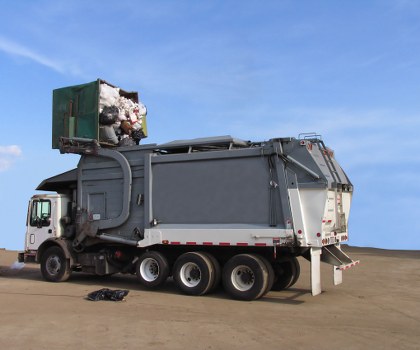
Commercial waste removal in Chelsea needs to be organised, practical and suited to premises that can generate steady volumes of mixed refuse. We handle the collection and removal of business waste for premises that need a reliable way to clear out unwanted material without interrupting day-to-day operations. That can include everyday office waste, shop backroom clutter, light construction debris and bulky items that no longer serve a purpose. The aim is simple: keep your site clear, compliant and ready for work.
Businesses often need a service that can deal with mixed waste streams without turning every clearance into a separate task. Our work can support landlords, facilities teams, managing agents, independent retailers and offices that want a single point of contact for collection and disposal. Where items can be recycled or separated, we make a practical assessment of what can be diverted from general waste and what needs to be treated differently. If you want to arrange a quotation, speak to us with the type of waste and the access details.
For straightforward planning, it helps to know roughly what is being removed, whether it is already bagged or boxed, and whether the collection point is on a roadside, in a yard or inside the premises. If you have photographs or a basic inventory, they can make the estimate more accurate, but they are not the only way to begin. When you are ready, you can request a quote in plain language and we will take it from there.
Business waste collections for day-to-day premises
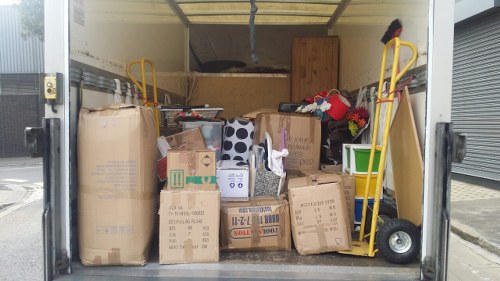
Our business waste collections are designed for workplaces that need regular or one-off removal of non-hazardous waste. That may include paper, packaging, archived material, broken office furniture, store room contents or other refuse that has accumulated during normal operations. The service is useful where bins are not enough, where bulky items will not fit in standard containers, or where a busy site needs a clear-out without disrupting staff movement.
We can also deal with items that are awkward to carry through shared areas or narrow access points, provided they can be moved safely. In many commercial settings the practical question is not only what needs removing, but how it can be moved without affecting customers, employees or neighbouring tenants. A clear description of the items, the floor level and any loading restrictions helps us plan the work sensibly and keep the removal efficient.
What this type of clearance usually covers
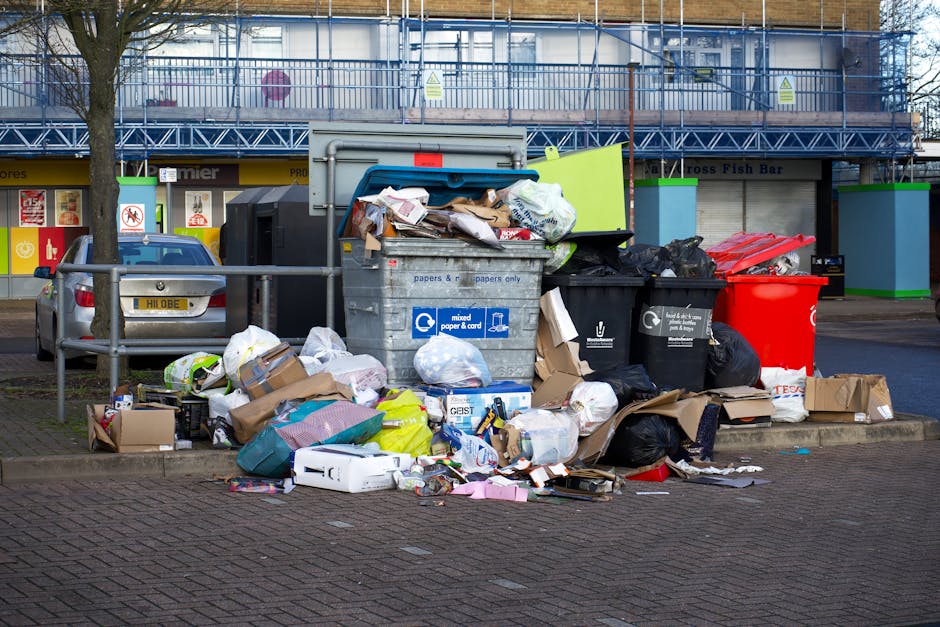
Commercial waste is often a combination of materials rather than a single category. Common examples include boxes, shelving, bagged refuse, old signage, display stock, damaged fixtures and general clear-out material from refits or relocations. Some loads contain reusable or recyclable items, while others are suitable only for disposal. We separate the job into practical stages so the right handling approach is used for each load.
Office clearances and workspace changes
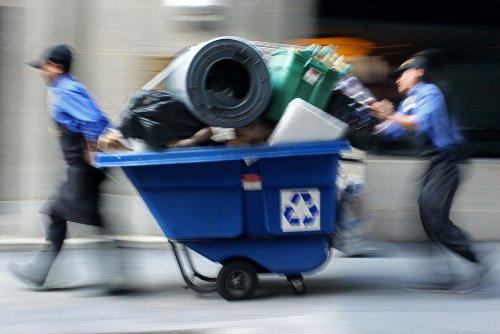
Office clearances call for a careful approach because workspaces can contain a mixture of furniture, electronics, archived files and everyday waste. Our office waste removal service helps clear desks, chairs, cabinets, screens and other surplus items when a team is reorganising, consolidating or vacating part of a building. The emphasis is on keeping the process orderly so usable areas remain accessible while the removal is taking place.
There are different levels of clearance within an office environment. Some clients only need a few bulky items taken away, while others want a fuller clear-out of redundant furniture and stored materials. We can work with either type of job. Where electronics or confidential paperwork are present, these need to be identified at the start so they can be handled in the appropriate way rather than mixed in with ordinary rubbish.
Useful preparations are usually simple. Separate any items you want to keep, identify anything sensitive, and let us know if lifts, loading bays or timed access are involved. This is also the right point to mention shared entrances, restrictions on parking or any internal rules for building use. A little detail up front makes it easier to quote accurately and avoid delays on the day.
Shop, stockroom and premises clear-outs
Retail and hospitality premises often need removal support for stockroom clutter, broken fittings, packaging waste and redundant equipment. A shop clear-out may involve only a back-of-house space, or it may extend to part of the customer area during a refit, change of use or end-of-lease tidy-up. Our role is to remove the material efficiently while treating the site with care.
In these environments, timing and access can matter as much as volume. The best plan is usually to match the collection to the least disruptive period available and to identify any items that should be left in place. Heavy counters, display units, commercial shelving and damaged appliances can all require different handling, so it helps to group similar items together where possible. If there are stairs, loading restrictions or narrow internal corridors, we can factor that into the collection plan.
For many businesses, the decision is whether to clear a few problem items or tackle the larger accumulation that has built up over time. We can help with both approaches. The important point is that the waste is removed in a way that supports the operation of the premises rather than creating extra interruption.
Furniture removal and bulky items
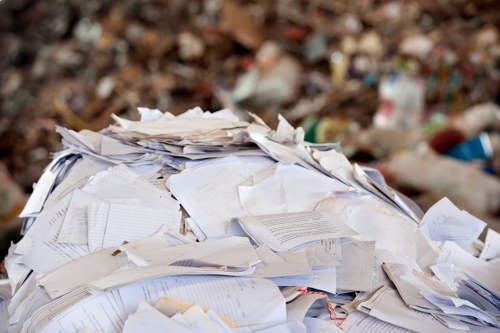
Commercial furniture removal covers the bulky items that are often hardest to store, move or dispose of through normal channels. That may include desks, office chairs, filing cabinets, conference tables, reception furniture, shelving and similar items. When furniture is still serviceable, some businesses prefer it to be treated separately from general refuse. When it is damaged, outdated or no longer suitable for use, we can remove it as part of a broader clearance.
Bulky items often create practical problems because they are heavy, awkward to carry and difficult to dismantle without the right planning. Our approach is to assess the item type, its access route and whether it can be taken out whole or should be broken down first. This matters where the building has shared corridors, tight stairwells or limited turning space. A careful plan reduces the risk of damage to the property and helps keep the collection efficient.
Furniture disposal is often part of a bigger workplace change, but it can also be a standalone request. If you only need one or two items removed, that is still a valid enquiry. Equally, if an entire office suite needs clearing, we can treat the furniture as one part of the wider waste stream rather than an isolated task. Tell us what needs to go and we will advise on the most sensible way to handle it.
Recycling, sorting and responsible disposal
Commercial waste removal is not only about lifting and loading. It also involves deciding which materials can be separated, which items may be suitable for recycling and which waste must be treated as residual disposal. That sorting stage matters because many business clearances produce a mixed load containing cardboard, metal, timber, plastics and general rubbish. A considered approach helps reduce avoidable disposal and keeps the process more efficient.
If you are comparing options, it is worth thinking about whether your waste is a single material, a mixed business load or a more sensitive category that needs special handling. Some items may be straightforward, while others require extra care because of their contents, size or condition. Our service is structured to keep those distinctions clear. Recycling and sustainability information is available for customers who want to understand more about how different waste types may be managed.
For larger or recurring jobs, it can be useful to group related items together before collection so that the estimate reflects the real task. That does not mean you need to sort everything perfectly in advance. It simply makes the discussion easier if you can identify what is general waste, what might be recycled and what may need separate consideration. Please request a quotation once you have the main categories in mind.
Access, loading and practical job planning
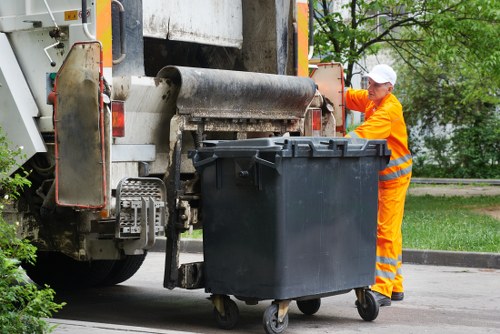
Commercial waste work is often shaped by access rather than by weight alone. A collection from a ground-floor store room is very different from a clearance that involves lifts, rear courtyards, timed loading or limited parking. When we quote for a job, we look at the practical route the items will need to take so the removal can be carried out safely and in an orderly way. That is especially important in shared buildings and busy streets.
Two details are particularly helpful: the approximate amount of waste and the conditions around loading. If you can indicate whether items are on the pavement, within a building or stored behind several internal doors, it gives a better picture of the work involved. Where the site has specific rules for access, building management approval or restricted hours, those points should be raised early. This is the kind of information that helps keep the service smooth and proportionate.
For a simple start, send the basics and ask for a quote. If the job is more involved, we can discuss the likely sequence of work and the best approach to removal. Contact us to arrange a quotation when you are ready to move ahead.
Special item handling and separate waste types
Some commercial clearances involve items that should not be handled in the same way as ordinary mixed rubbish. Appliances, confidential papers, damaged fixtures and certain bulky materials can each require a different approach. For example, confidential shredding is a separate concern from general waste removal, while electrical items may need to be identified clearly before collection. Recognising those differences at the outset helps avoid confusion and keeps the job properly organised.
Where special items are present, it is best to list them separately rather than hiding them within a general description. That lets us assess whether the load is straightforward or whether one part needs additional attention. If your premises include an appliance store room, a file archive or a back area with mixed surplus items, those details matter. You do not need to write a perfect inventory, but a sensible breakdown is much better than a vague description.
We can discuss the main categories of waste and point out anything that should be identified in advance. Confidential shredding is one example of a separate service that may be relevant where paper records are being cleared. If the job only involves ordinary commercial rubbish, that is fine too; the key is to match the removal to the materials involved.
Pricing factors and quotation detail
Commercial waste removal prices depend on the amount of material, the type of waste, the time needed to load it and the access conditions on site. A collection from a straightforward ground-floor location is not the same as a clearance requiring more labour, more sorting or awkward carrying routes. That is why it helps to describe the job plainly rather than assuming all waste is priced in the same way.
If you are preparing to compare options, think about the main variables first: volume, item type, whether the waste is loose or bagged, and whether there are any site constraints. A photo can help, but a clear written description is still valuable, especially when the items are numerous but not especially large. We use that information to shape a quotation that reflects the real work rather than a generic estimate.
Good information to include when you ask
- the type of waste, such as office furniture, stockroom items or mixed business rubbish
- the approximate amount or number of bags, items or rooms involved
- the collection point and any access restrictions, loading bays or parking issues
- whether any items need separate handling because they are sensitive, bulky or unusual
About Chelsea
Chelsea is a district on the north bank of the River Thames in west London, long associated with a dense mix of historic streets, independent shops, galleries and riverside views. Its character has been shaped by centuries of development, from the older lanes around Chelsea Old Church and the Royal Hospital Chelsea to the later terraces and mansion blocks that fill much of the area today. The district is also known for its strong cultural associations, including the legacy of artists, writers and designers who lived or worked there, and for the continuing presence of institutions that have given the place a distinctive identity within central London. King’s Road remains one of its best-known thoroughfares, but Chelsea also includes quieter residential streets, garden squares and small mews. The Chelsea Physic Garden, founded in the seventeenth century, adds a notable scientific and horticultural landmark close to the river. Meanwhile, the embankment and nearby sections of the Thames Path provide open views and a contrast to the tighter urban fabric inland. The area’s built environment is varied, with Georgian and Victorian buildings sitting alongside later redevelopment, and many streets retain a strongly local feel despite being part of a wider metropolitan centre. That combination of history, architecture and active urban life gives Chelsea a character that is both established and continually changing.
Working with business customers in Chelsea
Many commercial premises in Chelsea operate in buildings where space is at a premium, so it often makes sense to clear waste in a planned and orderly way rather than letting it build up. We can support offices, retail units, landlords and managing agents who need a dependable removal service for specific items or broader clear-outs. The key is to match the task to the site, so the collection is practical and does not create unnecessary disruption for staff or occupants.
Some customers want a focused removal of a few bulky items, while others need an end-of-tenancy or refurbishment clearance that includes a wider mix of material. Either way, the process starts with a clear description of the waste and the access available. If there are shared entrances, concierge arrangements, resident rules or building schedules to respect, those points should be mentioned early. That allows the quotation to reflect the real job rather than a rough guess.
When you are ready, ask for a quotation and describe the waste in ordinary terms. If it is easier, you can group it by room or by item type, but a simple list is usually enough to begin. We will then consider the collection method, the likely time required and any practical handling points before confirming the next step.
Business waste support for ongoing or one-off jobs
Not every commercial customer needs the same kind of arrangement. Some businesses only require a one-off clearance after a move, refurbishment or stock change, while others may need occasional support for accumulated waste that sits outside normal bin collection. Our service can be adapted to either situation, with the emphasis on removing unwanted material in a tidy and efficient manner.
Ongoing waste support works best when the customer knows the main stream of material in advance and can flag any changes when they arise. One month might involve packaging and office clutter; another might involve broken furniture or back-room stock. When those shifts are communicated clearly, the job remains easier to plan. We can also discuss whether a partial clearance or a fuller removal is the better fit for the premises and the timing available.
If you want to move things forward, pricing and quotes information may help you prepare the details before you enquire. The final step is simple: send the waste description, confirm the access and ask for a quotation. That is usually enough for us to assess the work and help you decide how best to proceed.